
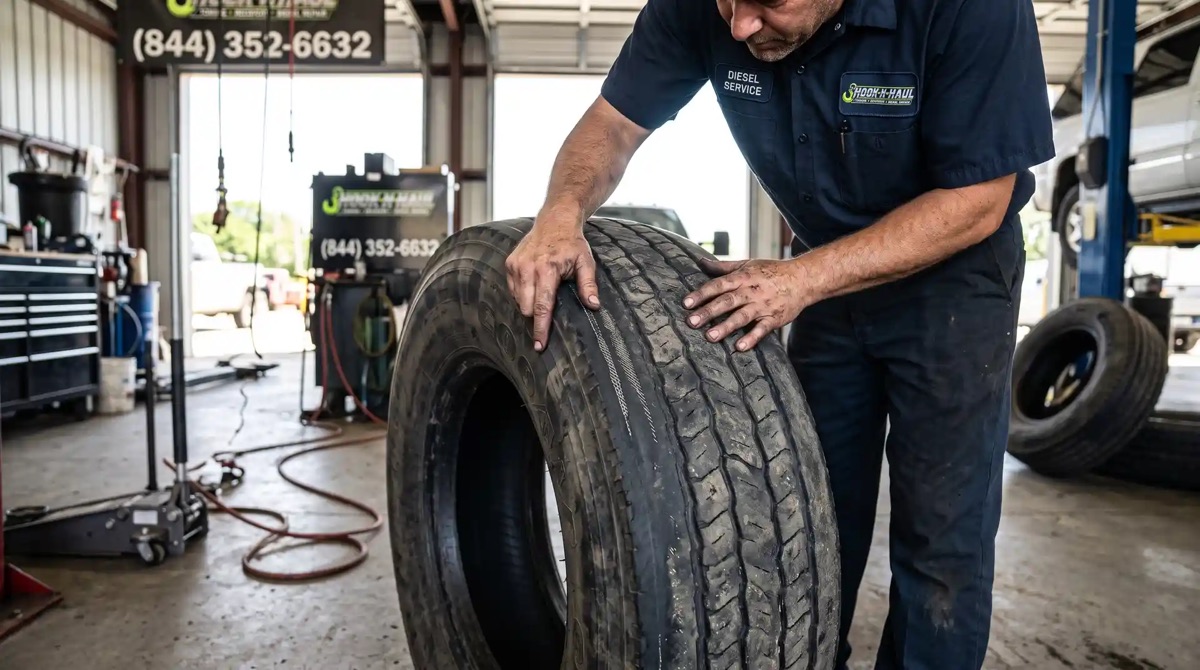
Uneven tire degradation can ruin your vehicle handling and lead to an unexpected blowout on busy highways. When tread disappears along the inside edge of your wheel, driving becomes dangerous and expensive. Learning how to fix inner tire wear saves your tires and protects your suspension from costly structural damage.
Here at Hook-N-Haul, we inspect fleet chassis and fix complex suspension problems daily across Ohio. In this comprehensive guide, our certified mechanics reveal the mechanical root causes of inner edge wear, how to diagnose damaged steering parts, and how to eliminate the problem permanently.
Direct Answer: How to Fix Inner Tire Wear Fast
Fixing inside tread loss requires correcting your wheel alignment angles and replacing worn front-end suspension components. Most commonly, negative camber or toe-out misalignment forces the vehicle weight onto the inner rubber shoulder.
Drivers must inspect tie rods, ball joints, control arm bushings, and strut assemblies for physical play. Once you replace the failing components, a computerized four-wheel alignment restores factory specifications. Finally, rotating your tires spreads remaining tread wear evenly across all four corners.
Why Is My Tire Wearing on the Inside? Primary Causes
Understanding mechanical stress points helps you diagnose inner tire wear quickly before tires reach cord exposure.
| Mechanical Cause | Faulty Component | Typical Wear Pattern | Action Needed |
|---|---|---|---|
| Negative Camber | Bent struts, sagging springs, worn control arms | Smooth, continuous inner edge baldness | Replace bent arms and adjust camber angles |
| Excessive Toe-Out | Loose inner/outer tie rods, worn drag link | Feathered, saw-tooth edges on inside ribs | Set toe alignment and replace tie rod ends |
| Worn Ball Joints | Dry or loose lower ball joint sockets | Erratic, heavy inner shoulder scuffing | Press in new ball joints immediately |
| Blown Struts / Shocks | Leaking hydraulic seals, broken coil springs | Scalloped cups and wavy dips on inside | Install new strut cartridges or coilover units |
| Under-Inflation | Low tire air pressure | Both inner and outer tread shoulders bald | Inflate tires to factory door jamb PSI ratings |
Steering geometry relies heavily on proper camber angle settings to keep the tread patch completely flat on the road. Consequently, any worn joint causes the top of the wheel to lean inward, which chews through rubber rapidly.
Will Bad Struts Cause Inside Tire Wear?
Yes, failing struts and weak shock absorbers frequently cause severe inside tire wear. A strut supports the entire corner weight of your vehicle while dampening vertical road impacts.
When internal hydraulic valves fail, the spring collapses slightly under load. As a result, the suspension settles lower than normal ride height, forcing the suspension control arms upward. This change tilts the tire inward into severe negative camber.
Furthermore, worn damping valves allow the tire to bounce uncontrollably over bumps. This bouncing produces distinct diagonal cupping along the inside tread shoulder. If you notice fluid leaks on your strut body or hear clunking noises over bumps, replace your struts in pairs immediately.
How to Fix Inner Tire Tread Wear: Step-by-Step Repair Guide
Drivers can diagnose and repair mechanical looseness using standard shop tools. Technicians follow this structured sequence to eliminate inside edge baldness:
Step 1: Perform a Physical Tread and Runout Inspection
Park your vehicle on level pavement and engage your emergency parking brake. Next, run your open hand across the tread width from outside to inside.
- A smooth inner slope confirms persistent negative camber angle stress.
- Sharp, feathered edges pointing inward confirm an improper toe-out condition.
Step 2: Check for Suspension Play and Bearing Wear
Safely raise the front axle with a floor jack and rest the frame securely on heavy jack stands. Grab the elevated tire at the 12 o’clock and 6 o’clock positions and rock it firmly.
- Excessive movement indicates worn ball joints or failing wheel hub bearings.
- Side-to-side play at the 3 o’clock and 9 o’clock positions points directly to worn tie rod ends.
Step 3: Replace Worn Steering Linkages and Bushings
Unbolt damaged tie rod ends, cracked control arm bushings, or sagging strut towers. Install premium original equipment replacement parts to maintain strict suspension stiffness.
Step 4: Perform a Precise Wheel Alignment
Never skip professional alignment equipment after replacing front-end hardware. Specialized laser alignment racks calibrate your camber, caster, and toe angles back to original factory tolerances.
Pro Tip: When installing new tie rod ends at home, count the exact number of revolutions required to spin off the old units. Threading the new tie rods on with the exact same count keeps your toe angle close enough to drive safely to the alignment shop.
How to Fix Inner Tire Wear at Home vs. Alignment Shop
Home mechanics can tackle hardware replacements, but precision calibration requires optical sensors.
| Repair Method | DIY at Home | Professional Alignment Shop |
|---|---|---|
| Equipment Used | Jack stands, pry bars, tape measures | Computerized optical laser alignment rack |
| Component Replacement | Simple bolt-on tie rods, struts, and ball joints | Full chassis repairs and press-in bushings |
| Toe Adjustment | Rough string-line calibration | High-precision millimeter toe tracking |
| Camber Calibration | Limited without specialty bubble gauges | Complete subframe and eccentric bolt adjustment |
| Estimated Cost | $50 – $200 (Parts only) | $120 – $350 (Labor + Alignment) |
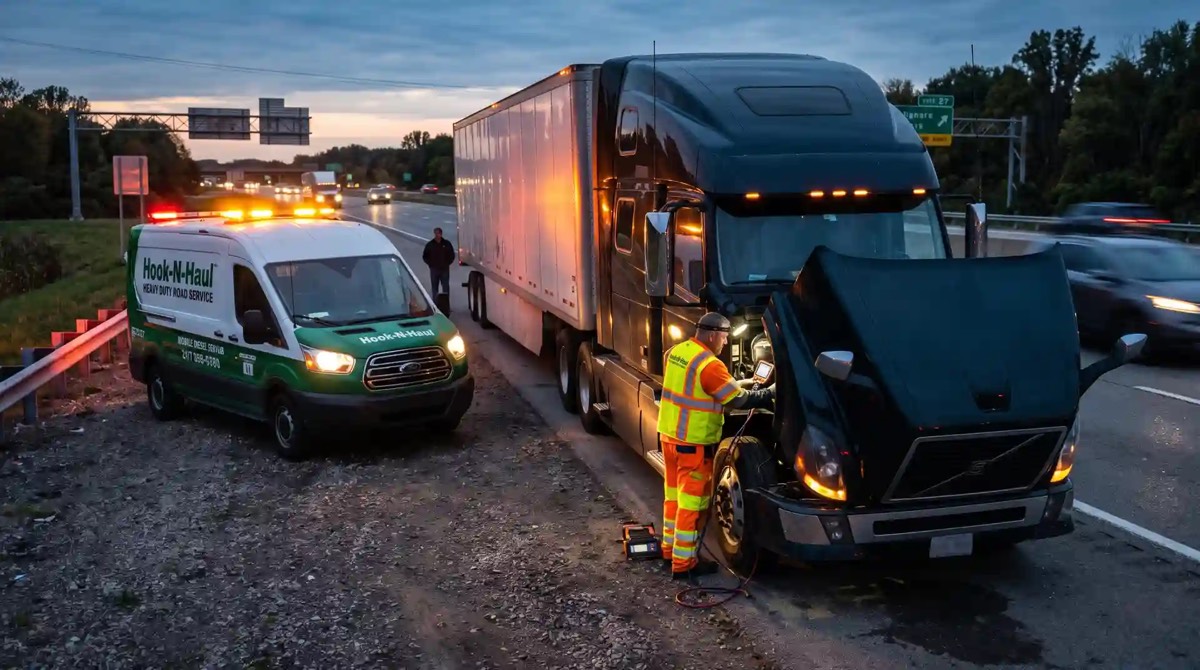
While you can replace worn parts in your driveway, always visit an alignment facility for final adjustments. If worn suspension components cause sudden tire delamination on the highway, calling our fast road service truck repair crew eliminates roadside danger.
Can the Inside of a Tire Be Patched?
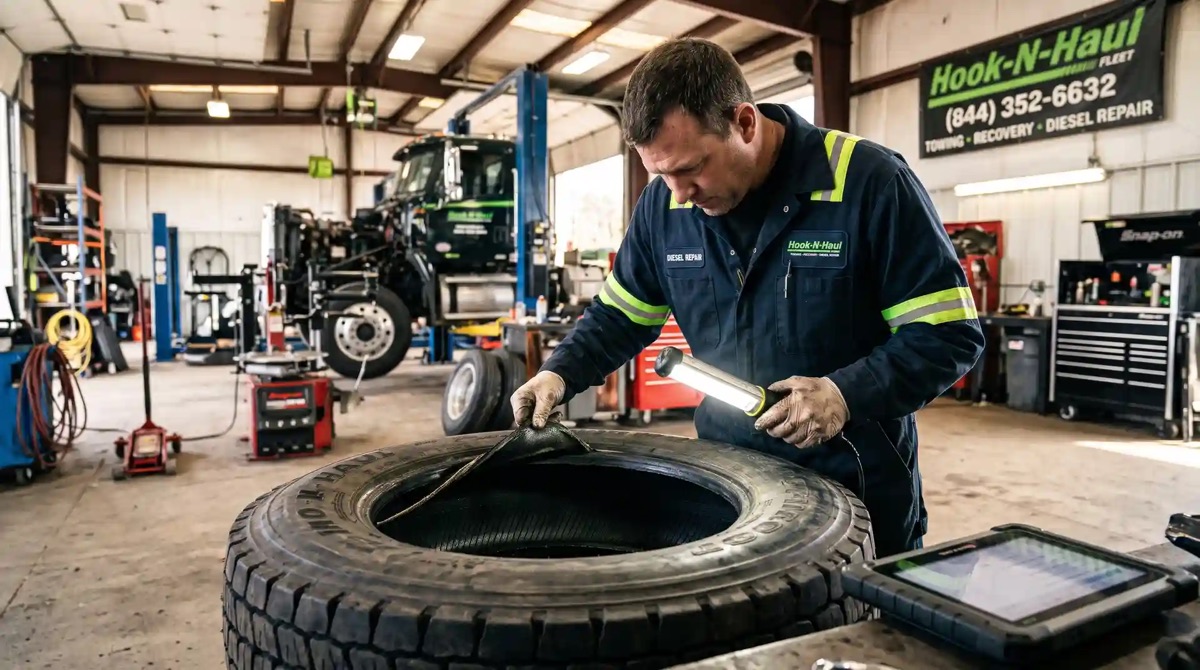
Drivers often wonder if they can save an expensive tire displaying inner wear with internal repairs. A technician can only install a vulcanized patch on the inside air liner if the structural carcass remains completely sound.
However, technicians cannot patch or save a tire if inner tread wear has reached the underlying steel belts. Exposing structural cords destroys tire casing integrity, making sudden air pressure loss inevitable. In addition, federal safety guidelines from the National Highway Traffic Safety Administration forbid operating on highway tires with exposed ply cords or deep shoulder cracks.
If your inner tread has worn down past 2/32 of an inch, replace the tire immediately. Patching air leaks on an unevenly bald casing risks catastrophic delamination at highway speeds.
Common Pitfalls to Avoid With Inside Edge Wear
Preventing recurring tire degradation requires avoiding common maintenance oversights:
- Rotating Tires Without Fixing Alignment: Moving bald tires to the rear axle without fixing bent tie rods simply ruins two additional tires.
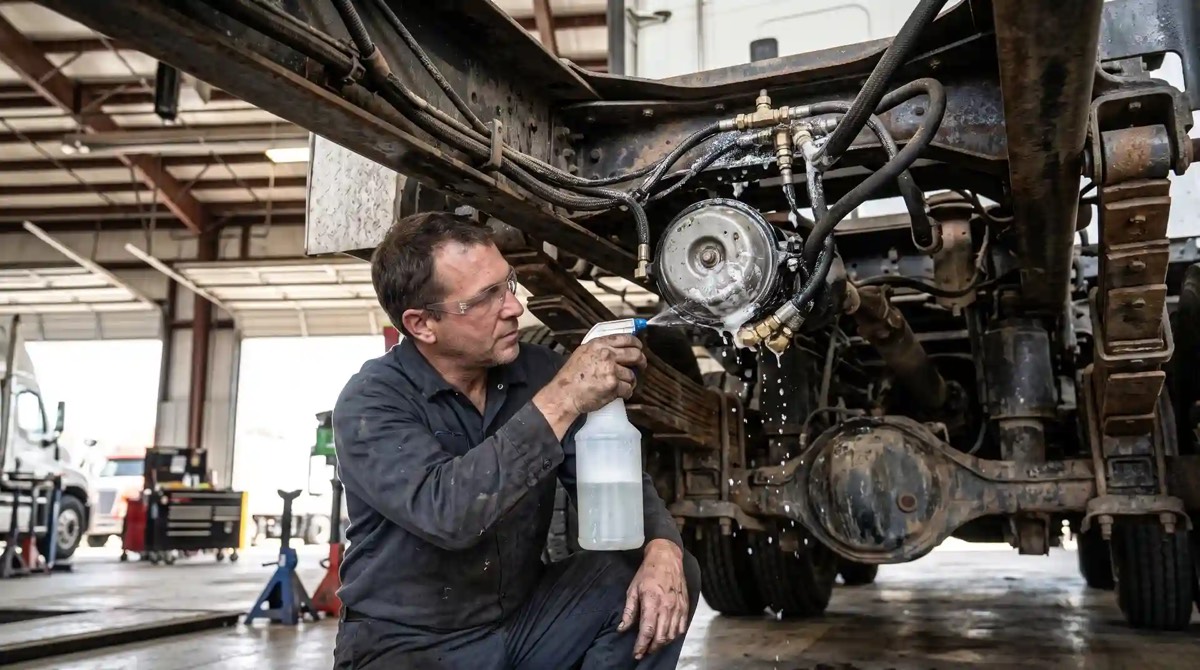
- Ignoring Damaged Axle Hardware: Worn trailer stubs and bent spindles cause persistent tire tilt that standard alignments cannot correct. If your axle spindle shows scoring, professional axle spindle repair is required.
- Replacing Only One Strut: Installing a single replacement strut causes uneven vehicle ride height, pulling the vehicle toward the weaker corner.
- Overlooking Control Arm Bushings: Cracked rubber bushings allow suspension arms to shift backward under braking, throwing toe angles completely out of spec.
Pro Tip: Always request a printed alignment spec sheet before and after service. Verify that your front camber readings remain within 0.5 degrees of each other to prevent pull and uneven shoulder scuffing.
Protecting Vehicle Steering Along Ohio Roadways
Ohio motorists face severe road conditions throughout winter and spring. Deep potholes along I-71, I-77, and I-90 deliver jarring impacts that bend stamped steel control arms and crack cast-iron knuckles instantly.
Furthermore, heavy road salt corrodes threaded tie rod sleeves, making alignment adjustments difficult over time. When your steering wheel pulls off-center after striking an Ohio pothole, check your inside tire shoulders immediately.
Whenever your steering fails or suspension clunks compromise your commercial fleet, our certified team is ready. Contact our emergency dispatch for rapid 24/7 mobile truck mechanic service to handle on-site diagnostics and repairs across the entire region.
Frequently Asked Questions
Can you fix inner tire wear while driving?
No, you cannot fix inner tire wear while driving. You must pull over safely, inspect your suspension for bent parts, correct tire pressure, and bring the vehicle to an alignment facility before resuming long trips.
How much does it cost to fix inner tire wear?
A standard four-wheel alignment costs between $100 and $200. However, if your vehicle requires new ball joints, tie rods, or complete strut assemblies, total repair bills range from $350 to $1,200 depending on your make and model.
Can an over-inflated tire cause inside wear?
No, excessive air pressure causes the center ribs of your tread to wear out first. Inside shoulder wear points almost exclusively to negative camber, toe-out misalignment, or severely worn suspension bushings.
Does a bad wheel bearing cause inside tire wear?
Yes, a loose wheel hub bearing allows the entire wheel and brake rotor to wobble on the spindle. This loose fitment tilts the top of the wheel inward under vehicle load, causing rapid inside rubber degradation.
Restore Even Tread Life With Professional Chassis Service
Learning how to fix inner tire wear protects your vehicle’s safety, saves fuel, and stops premature tire replacement expenses. Rather than ignoring an uneven tread pattern, identify damaged ball joints, replace blown struts, and align your steering angles promptly.
When you notice rapid shoulder balding or severe front-end pulling in Ohio, contact the experienced mechanics at Hook-N-Haul. Our mobile service teams provide rapid roadside diagnostics, precision suspension repairs, and complete fleet support to keep your wheels rolling straight and true.